GOOGLE ADVERTISING
Posted on
April 15th 2026
TABLE OF CONTENTS




Master Google Ads Optimization for Maximum ROI: Proven Strategies for Business Growth
In the competitive landscape of digital marketing, mastering Google Ads optimization is crucial for businesses aiming to maximize their return on investment (ROI). This article delves into effective strategies that can enhance your Google Ads campaigns, ensuring that every dollar spent translates into measurable results. Readers will learn about proven techniques, key performance indicators, and best practices that can significantly impact their advertising success. By understanding the mechanisms behind Google Ads, businesses can address common challenges and implement solutions that drive growth. This guide will cover essential strategies for business growth, key performance indicators (KPIs), best practices for effective ad campaigns, and insights into bidding strategies tailored for luxury brands and the hospitality industry.
Proven Strategies for Business Growth
To achieve maximum ROI from Google Ads, businesses must adopt a strategic approach that encompasses various optimization techniques. Here are some proven strategies that can lead to significant improvements in campaign performance:
Data-Driven Campaigns: Utilizing analytics to inform decisions ensures that campaigns are tailored to target audiences effectively.
Smart Bidding & Automation: Implementing automated bidding strategies can optimize ad spend and improve performance based on real-time data.
Audience Targeting: Focusing on specific demographics and interests allows for more personalized ad experiences, increasing engagement and conversion rates.
By integrating these strategies, businesses can create a robust framework for their Google Ads campaigns, ultimately leading to enhanced growth and profitability.
This perspective is reinforced by academic research highlighting the multifaceted nature of Google Ads for achieving optimal results.
Google Ads: Strategies for Targeting, Optimization, and ROI Chapter 42 delves into the dynamic realm of Google Ads, formerly known as Google AdWords, a cornerstone platform in digital marketing. Key to its effectiveness is precise audience targeting based on keywords, demographics, and user behavior, maximizing ad relevance and engagement. Advertisers bid on keywords, ensuring that relevant ads appear when users search, thereby driving clicks and conversions. The platform also provides comprehensive analytics to monitor campaign performance, optimize strategies, and enhance ROI. Using google ads in digital marketing, K Solberg Söilen, 2024
OFSEEK MARKETING specializes in digital marketing services that can help luxury brands and the hospitality industry implement these strategies effectively. With a focus on branding, web design, and digital advertising, OFSEEK MARKETING tailors its approach to meet the unique needs of its clients.
Key Performance Indicators (KPIs):
Measuring the effectiveness of Google Ads campaigns requires a clear understanding of key performance indicators (KPIs). These metrics provide insights into how well campaigns are performing and where improvements can be made. Some essential KPIs include:
Click-Through Rate (CTR): This metric indicates the percentage of users who click on an ad after seeing it, reflecting the ad's effectiveness in attracting attention.
Conversion Rate: This measures the percentage of users who complete a desired action after clicking on an ad, such as making a purchase or signing up for a newsletter.
Return on Ad Spend (ROAS): This KPI calculates the revenue generated for every dollar spent on advertising, providing a clear picture of campaign profitability.
Understanding these KPIs allows businesses to make informed decisions about their advertising strategies and optimize their campaigns for better results.
Best Practices for Effective Ad Campaigns:
Creating successful Google Ads campaigns involves adhering to best practices that enhance visibility and engagement. Here are some key practices to consider:
Compelling Ad Copy: Crafting engaging and relevant ad copy is essential for capturing user interest and encouraging clicks.
Landing Page Optimization: Ensuring that landing pages are user-friendly and aligned with ad messaging can significantly improve conversion rates.
Performance Reporting: Regularly analyzing campaign performance data helps identify trends and areas for improvement, allowing for timely adjustments.
By following these best practices, businesses can enhance their Google Ads effectiveness and drive better ROI.
What Are the Most Effective Google Ads Bidding Strategies to Maximize ROI?
Bidding strategies play a crucial role in determining the success of Google Ads campaigns. Understanding the most effective approaches can help businesses maximize their ROI. Here are two primary strategies to consider:
How Does Automated Bidding Improve Campaign Performance?
Automated bidding leverages machine learning to optimize bids in real-time, ensuring that ads are shown to the right audience at the right time. This approach offers several benefits:
Real-Time Data Optimization: Automated systems analyze vast amounts of data to adjust bids based on performance metrics, ensuring optimal ad placement.
Increased Efficiency: By automating the bidding process, businesses can save time and resources while achieving better results.
Which Manual Bidding Techniques Deliver Optimal Results?
While automated bidding is effective, manual bidding techniques can also yield significant benefits. Some effective strategies include:
Cost-Per-Click (CPC) Strategies: Setting maximum CPC bids allows businesses to control their spending while still competing for ad placements.
Bid Adjustments: Adjusting bids based on device, location, or time of day can help optimize ad performance and improve ROI.
By understanding and implementing these bidding strategies, businesses can enhance their Google Ads campaigns and achieve better results.
How Can You Optimize Google Ads Campaigns for Better Conversion Tracking?
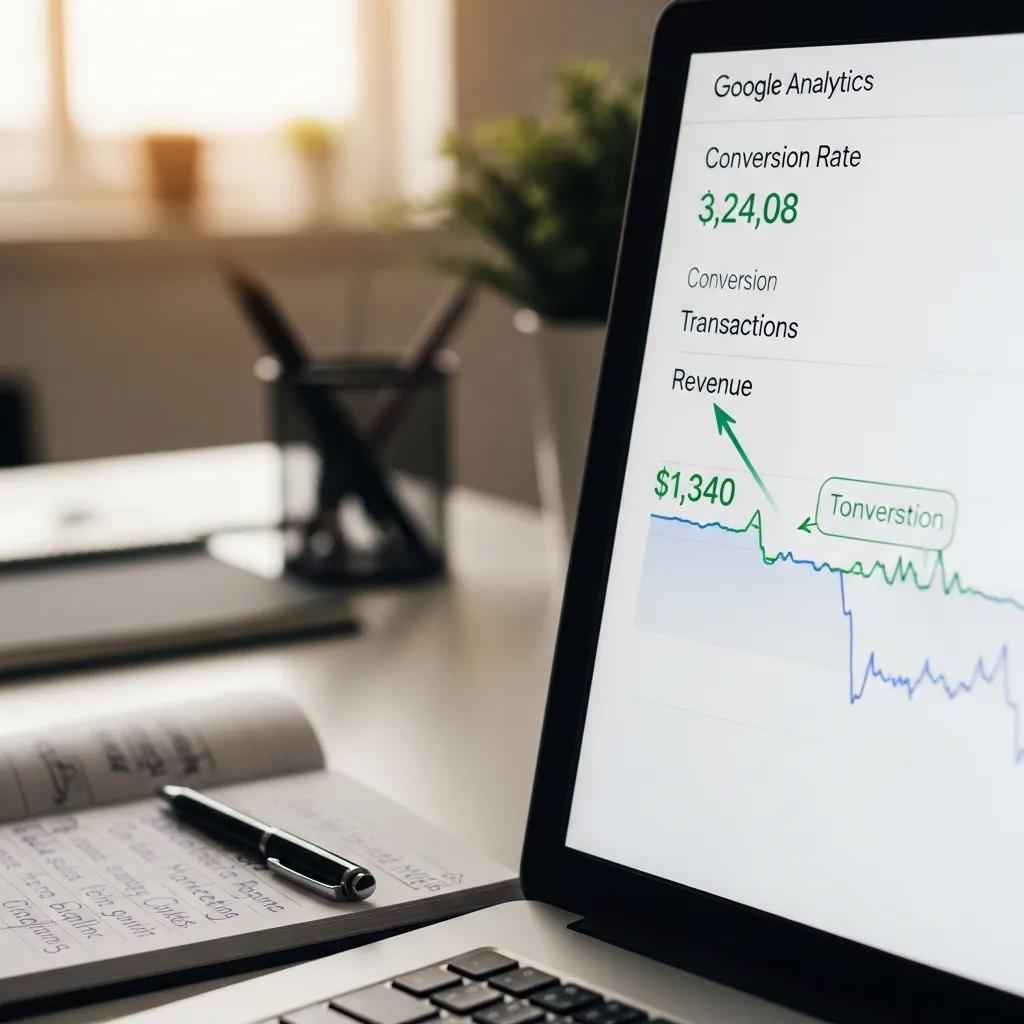
Effective conversion tracking is essential for understanding the success of Google Ads campaigns. By optimizing tracking methods, businesses can gain valuable insights into user behavior and campaign performance. Here are some techniques to consider:
Implement GA4 and GTM: Utilizing Google Analytics 4 (GA4) and Google Tag Manager (GTM) allows for comprehensive tracking of user interactions and conversions.
Define Conversion Goals: Clearly outlining conversion goals helps ensure that tracking is aligned with business objectives, providing accurate data for analysis.
By optimizing conversion tracking, businesses can make data-driven decisions that enhance campaign effectiveness.
What Are the Steps to Set Up Accurate Conversion Tracking?
Setting up accurate conversion tracking involves several key steps:
Define Conversion Goals: Identify the specific actions you want users to take, such as purchases or sign-ups.
Use Google Tag Manager: Implement GTM to manage tracking codes efficiently and ensure accurate data collection.
Test Tracking Setup: Regularly test the tracking setup to ensure that data is being collected accurately and reflects user behavior.
These steps are crucial for establishing a reliable conversion tracking system that informs campaign adjustments and optimizations.
How Does Conversion Data Influence Campaign Adjustments?
Conversion data plays a vital role in shaping campaign strategies. By analyzing this data, businesses can identify trends and make informed adjustments. Key insights include:
Identifying Wasted Spend: Analyzing conversion data helps pinpoint areas where ad spend may not be yielding results, allowing for budget reallocation.
Targeting the Right Audience: Understanding which demographics convert best enables businesses to refine their targeting strategies for improved performance.
Leveraging conversion data effectively can lead to more successful campaigns and higher ROI.
Further emphasizing the importance of data-driven decisions, external research underscores how Google's own resources facilitate effective campaign management and ROI calculation.
Maximizing ROI in Paid Advertising: Google Ads Optimization Google's “Google Ads Help” provides detailed information on setting up and managing campaigns, including tools for tracking conversions and analyzing performance data. This enables marketers to identify which strategies offer the best return on investment. The ability to calculate ROI empowers marketers to optimize their campaigns, allocate budgets effectively, and make informed decisions to maximize profitability. Measuring the ROI of paid advertising campaigns in digital marketing and its effect on business profitability, AYA Ahmad, 2024
What Quality Score Tips Enhance Google Ads Effectiveness and ROI?
Improving Quality Score is essential for enhancing the effectiveness of Google Ads effectiveness. A higher Quality Score can lead to lower costs and better ad placements. Here are some tips to consider:
Ad Relevance: Ensure that ad copy is closely aligned with keywords and user intent to improve relevance.
Landing Page Experience: Optimize landing pages for user experience, ensuring fast load times and relevant content.
How Do Ad Relevance and Landing Page Experience Affect Quality Score?
Ad relevance and landing page experience are critical components of Quality Score. A strong alignment between ad messaging and landing page content can lead to higher scores, resulting in better ad placements and lower costs.
Academic reviews further solidify the understanding that these elements are fundamental to overall campaign quality and performance metrics.
Google Ads Campaign Quality: Data-Driven Optimization & Performance Metrics The review identifies and categorises the main factors that define campaign quality, such as ad relevance, click-through rate (CTR), landing page experience, and conversion rate. We propose a comprehensive conceptual framework linking these dimensions to digital marketing results based on these findings. This paper also presents data-driven optimisation strategies to improve campaign performance. Finally, key metrics for evaluating the results of advertising campaigns were identified based on the existing literature. The relationship between campaign quality and performance in Google Ads: a systematic review, M Shemshaki, 2025
What Are Best Practices for Improving Click-Through Rates?
To enhance click-through rates (CTR), consider the following best practices:
Clear Ad Copy: Use straightforward language that communicates the value proposition effectively.
Strong Calls to Action: Encourage users to take action with compelling calls to action that create urgency.
By implementing these practices, businesses can improve their CTR and overall campaign performance.
How Can Audience Targeting and Budget Management Drive ROI in Luxury and Hospitality Sectors?
Audience targeting and budget management are crucial for maximizing ROI, especially in the luxury and hospitality sectors. Here are some strategies to consider:
Data-Driven Audience Targeting: Utilize data analytics to identify and target specific audience segments that are most likely to convert.
Smart Bidding: Implement smart bidding strategies that adjust bids based on audience behavior and performance metrics.
What Audience Segmentation Strategies Work Best for Luxury Brands?
Effective audience segmentation is essential for luxury brands looking to optimize their Google Ads campaigns. Consider the following strategies:
Demographic Targeting: Focus on specific demographics that align with the brand's target market.
Interest-Based Targeting: Utilize interest-based targeting to reach users who have shown an affinity for luxury products and services.
How Should Budget Allocation Be Managed for Hospitality Industry Campaigns?
Managing budget allocation effectively is vital for hospitality industry campaigns. Here are some guidelines to follow:
Regular Budget Reviews: Conduct regular reviews of budget allocation to ensure funds are directed toward high-performing campaigns.
Redirecting Funds: Be prepared to redirect funds from underperforming campaigns to those that yield better results.
By implementing these budget management strategies, businesses can enhance their Google Ads effectiveness and drive better ROI.


Ready to see what your clinic could earn with clarity?
You are closer than you think. Growth is not hiding behind a new promotion or a new social trend. It sits inside the journey your clients already take.